
Lower heating and cooling costs
Up to 40 percent of a home’s heating energy can escape through an uninsulated ceiling. Insulating the roof space reduces this loss, so your heater and air conditioner run less often and for shorter periods.
Mount Martha
Ceiling insulation fitted between joists in the roof space is the most effective way to stop winter heat loss in Mount Martha homes. We install glasswool, polyester and rockwool batts to the R-value you need, topping up old compressed material and keeping clearances around downlights and flues.
Share your details and Expert Insulation Melbourne will contact you about Ceiling Insulation in Mount Martha.
Ceiling insulation is bulk material laid between the ceiling joists in your roof space to slow heat transfer through the ceiling. In Mount Martha’s cold winters and hot summers, it is the single most cost-effective upgrade to cut heating and cooling costs. We use glasswool, polyester or rockwool batts, chosen for thermal performance, durability and suitability for your roof structure.
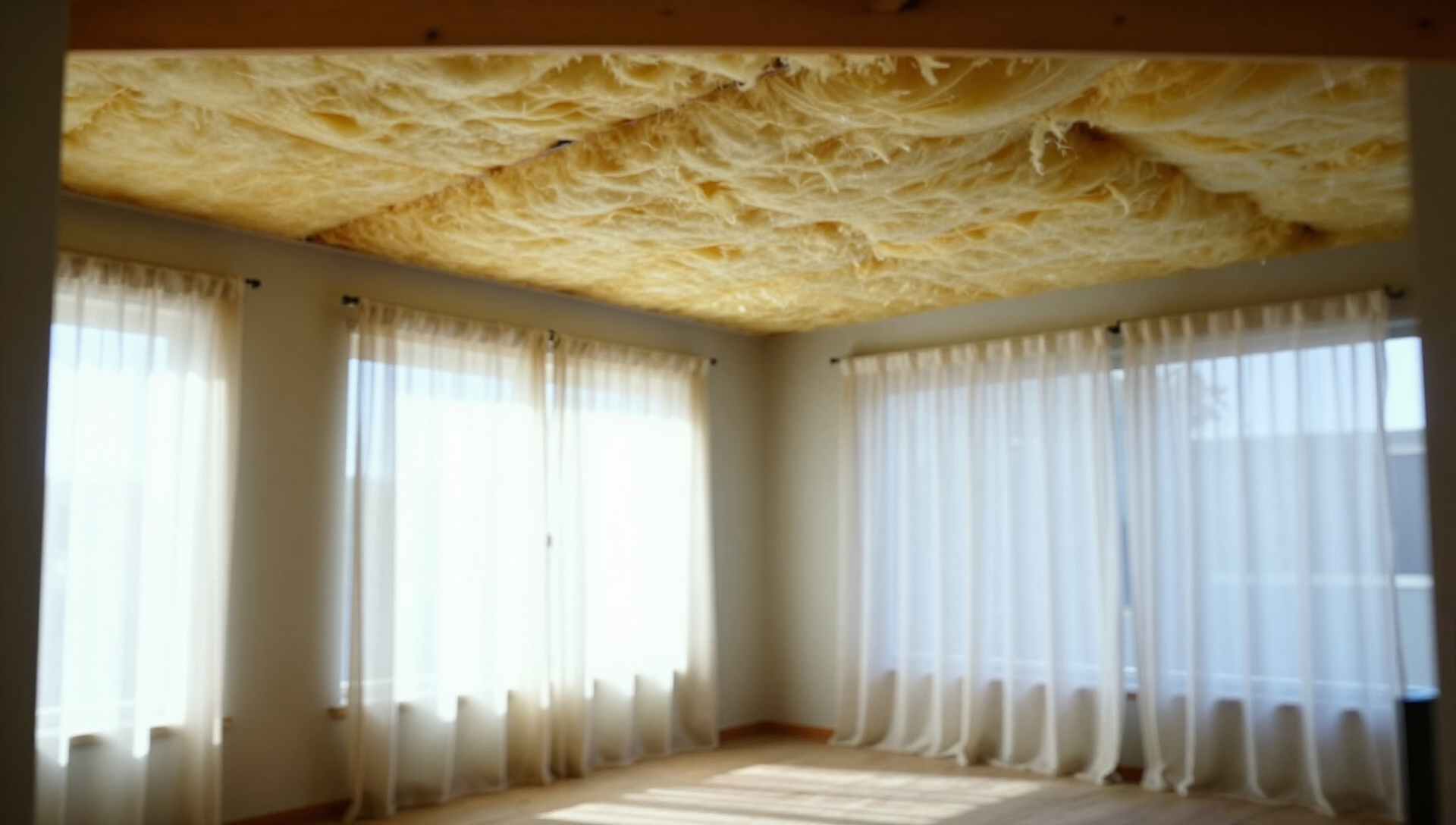
Mount Martha’s exposed coastal position means homes lose heat fast in winter and gain it just as quickly in summer. Ceiling insulation addresses this directly by slowing heat flow through the largest uninsulated area of most homes.
Up to 40 percent of a home’s heating energy can escape through an uninsulated ceiling. Insulating the roof space reduces this loss, so your heater and air conditioner run less often and for shorter periods.
Bulk batts trap still air, providing thermal resistance that evens out temperature swings. Rooms stay warmer in winter and cooler in summer without the extremes of an uninsulated home.
Properly installed ceiling insulation with a vapour barrier helps manage moisture from daily living, lowering the chance of condensation forming on cold surfaces in the roof space.
Dense batts absorb airborne noise from rain on the roof and external sources, making interiors quieter. This is especially noticeable in Mount Martha homes with metal roofing.
Glasswool and polyester batts do not settle or degrade over time if installed correctly. They retain their R-value and effectiveness for the life of the home.
Rockwool batts are non-combustible and suitable for homes where fire resistance is a priority, while still delivering high thermal performance.
We begin with a roof space inspection to check access, existing insulation, electrical cables and any obstacles. This determines the right product, R-value and installation method for your home.
We access the roof space via the manhole to assess joist spacing, existing batts, downlight types, flues and any stored items. This step confirms the quantity of material and any removal or clearance work needed.
We clear debris, dust and old loose material if required, and check for asbestos. If asbestos is suspected, work stops until a qualified assessor inspects it. We also ensure safe access and lighting in the roof space.
Batts are cut to fit snugly between joists without compression, which would reduce their R-value. We maintain the required clearances around downlights, electrical cables and flues to meet safety standards.
We check that all areas are covered, batts are fitted correctly and no gaps remain. Loose material and dust are vacuumed from the roof space, and the manhole is sealed properly.
Mount Martha’s mix of older weatherboard homes and newer builds on the Mornington Peninsula all benefit from ceiling insulation. Older homes often have little or no insulation, while newer homes may have thin batts that have compressed over time. In both cases, upgrading to a higher R-value delivers immediate comfort and energy savings.
Stop winter heat loss and summer heat gain with ceiling insulation installed in Mount Martha roof spaces.
Homeowners in Mount Martha often ask about the best R-value, whether old batts need removal and how long installation takes. Here are the answers based on local conditions and typical home designs.
Ceiling insulation in Mount Martha addresses the primary path for heat loss and gain in most homes. In winter, warm air rises and escapes through the ceiling into the roof space, while in summer, radiant heat from the roof penetrates down. Bulk batts fitted between ceiling joists slow this transfer, keeping indoor temperatures steadier and reducing reliance on heating and cooling systems.
Mount Martha’s coastal climate means homes are exposed to cold southerly winds in winter and hot northerlies in summer. Ceiling insulation with an R-value of R4.0 to R6.0 is commonly chosen to counter these conditions. Glasswool and polyester batts are lightweight, easy to handle in confined roof spaces and provide excellent thermal resistance without adding structural load.
Signs your Mount Martha home needs ceiling insulation include cold draughts near cornices, high heating bills, uneven temperatures between rooms and visible gaps or thin batts in the roof space. If your home was built before the 1990s or has never had the roof space checked, an inspection will likely reveal opportunities to improve thermal performance.
Call Expert Insulation Melbourne on 0399695249 or email info@expertinsulationmelbourne. com. au to arrange a roof space inspection and quote for ceiling insulation in Mount Martha.