
Lower cooling costs
Reflective roof insulation can reduce heat transfer through the roof by up to 90 percent, cutting the load on cooling systems and lowering energy bills during heatwaves.
Mount Martha
Roof insulation installed at the roofline under tiles or metal sheeting to cut summer heat gain in Mount Martha homes. Expert Insulation Melbourne provides foil-faced blankets and sarking for raked or cathedral ceilings.
Share your details and Expert Insulation Melbourne will contact you about Roof Insulation in Mount Martha.
Mount Martha homes with colourbond or tiled roofs absorb radiant heat through the roofing, driving up cooling costs and making upper floors uncomfortable. Roof insulation is installed directly under the roofing material to reflect or resist that heat before it enters the roof space. Foil laminates and sarking are the most effective products for this application, often paired with bulk insulation in the ceiling to maximise thermal performance.
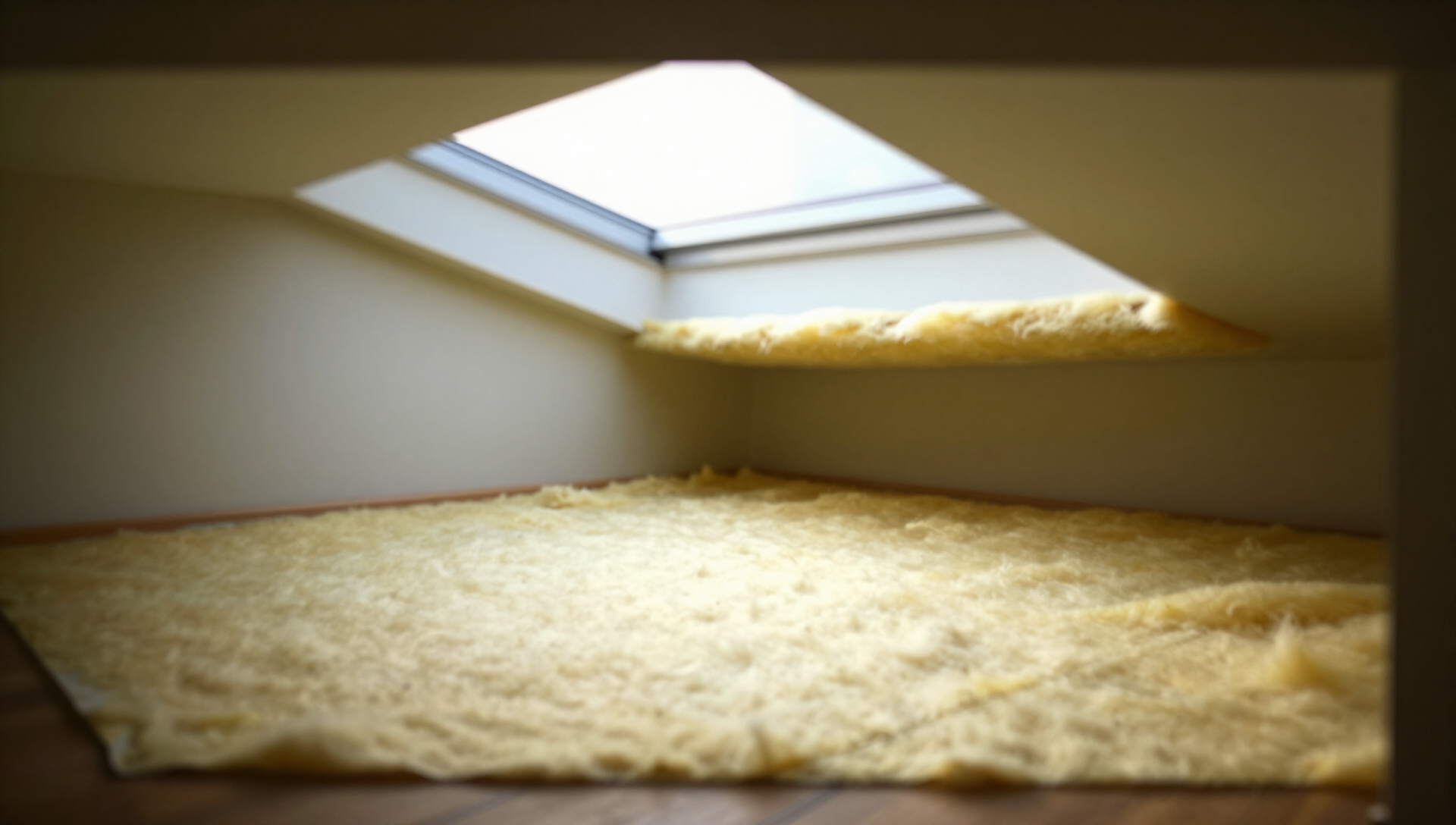
Mount Martha’s exposed coastal position means homes cop hot northerly winds and intense summer sun. Roof insulation tackles the main source of heat gain, keeping living spaces cooler without overworking air conditioning.
Reflective roof insulation can reduce heat transfer through the roof by up to 90 percent, cutting the load on cooling systems and lowering energy bills during heatwaves.
By blocking radiant heat at the roofline, foil sarking and blankets prevent the roof space from turning into a heat reservoir that warms ceilings and upper floors.
Insulation at the roofline also shields stored items, electrical cables and ductwork in the roof space from extreme temperatures that can degrade materials over time.
Roof insulation complements ceiling batts by stopping heat before it reaches the ceiling layer, improving overall thermal resistance without replacing what is already in place.
Foil laminates like sisalation act as a barrier against dust and moisture entering the roof space, which is useful in windy coastal areas like Mount Martha.
Properly installed reflective roof insulation maintains its effectiveness for decades, as it does not compress or degrade like some bulk materials can over time.
Installing roof insulation requires access to the roof cavity and careful handling of roofing materials. The process varies depending on whether the roof is tiled or metal, and whether the home has a raked or cathedral ceiling.
The first step is a thorough inspection of the roof space to check for existing insulation, structural condition, electrical cables and any signs of moisture or pest damage. Access points are identified, often through the manhole or by lifting tiles if needed.
The appropriate foil laminate or sarking is chosen based on the roof type and local climate. Measurements are taken to ensure full coverage under the entire roof area, with allowance for overlaps and sealing at joints.
For new roofs, the foil is laid directly over the rafters before the roofing material is fixed. For existing roofs, sections of tiles or sheets may need to be temporarily removed to install the foil between the rafters and the roofing, ensuring an air gap for reflectivity.
All seams and edges are sealed with foil tape to prevent heat leakage and moisture entry. The installation is checked for gaps, and any removed roofing is refitted securely. The roof space is left clean and free of debris.
Mount Martha’s mix of older beach houses and modern homes often feature colourbond or tiled roofs with little to no insulation at the roofline. This leaves upper floors and living areas vulnerable to summer heat gain, especially in homes with cathedral or raked ceilings where the roof space is directly above the living area. Roof insulation is a practical upgrade for these properties, reducing heat transfer and improving comfort without major structural changes.
Reflective foil and sarking installed under roofing to cut summer heat gain in Mount Martha homes.
Homeowners in Mount Martha often ask about the suitability of roof insulation for their property, how it differs from ceiling insulation and what to expect during installation.
Roof insulation in Mount Martha targets the primary source of summer heat gain in homes: radiant heat passing through tiles or metal sheeting into the roof space. By installing reflective foil laminates or sarking directly under the roofing, this heat is reflected away before it can warm the ceiling and living areas below. This is particularly effective for homes with raked or cathedral ceilings where the roof space is minimal or non-existent.
Mount Martha’s coastal climate brings hot northerly winds and intense sunlight, making roof insulation a cost-effective way to reduce reliance on air conditioning. Unlike ceiling insulation, which slows heat transfer through the ceiling, roof insulation stops heat at the source. The two can be combined for even greater thermal resistance, with foil at the roofline and bulk batts between ceiling joists.
The installation process for roof insulation depends on the roof type and access. For new builds, foil can be laid before roofing is fixed. For existing homes, installers may need to lift tiles or sheets to position the foil, ensuring an air gap for maximum reflectivity. Proper sealing of joints and edges is critical to prevent heat leakage and moisture entry, especially in windy coastal areas.
Reduce summer heat gain and lower cooling costs with professional roof insulation installed under your Mount Martha home’s roofing. Expert Insulation Melbourne uses reflective foil and sarking to block radiant heat at the source.